
Snake Plant Brown Spots: Identify the Cause by Lesion Pattern
Snake plant brown spots are not one problem — they are at least five different ones, and the spot's shape and texture tell you which. Soft and mushy points to root rot. A dark center with a yellow ring points to fungal leaf spot. Dry, papery patches on sun-facing leaves point to sunburn. Tiny raised specks point to pests. Crispy edges with no spots elsewhere point to water or fertilizer stress. Here is how to read the pattern instead of guessing.
Most brown-spot articles list every possible cause and let you guess which one applies to you. That is not diagnosis, it is a menu. The actual lesion in front of you already contains the answer — you just need to know what to look for.
Soft, Mushy, Dark Brown Spots Near the Base or Lower Leaves
This pattern means root rot, and it is the one to take seriously. The spots feel soft or waterlogged rather than dry, often carry a faintly foul smell, and cluster near the base of the plant or on the lowest, oldest leaves first — the parts closest to whatever is going wrong underground.
Root rot happens when soil stays wet long enough that roots suffocate and start to decay, and the decay works its way up into leaf tissue. If you catch it early — a few soft spots, otherwise firm leaves — unpot the plant, cut away any black or mushy roots with clean scissors, let the remaining healthy roots dry for a day, and repot in fresh, dry cactus mix. Do not water for three to four weeks afterward. If the softness has reached most of the root system, be honest about the odds: severe root rot is the one pattern on this list that can genuinely kill the plant, and extensive intervention does not always save it. The Why Are My Snake Plant Leaves Soft and Mushy? guide covers this specific pattern in full, including the oxygen-starvation mechanism behind it and how to judge whether the plant is still salvageable.
A Dark Center Ringed by a Yellow Halo, Sometimes With Tiny Raised Dots
This is the signature of fungal leaf spot. The lesion typically starts as an irregular yellowish patch that darkens toward brown at the center over time, with the yellow ring persisting around the edge. Look closely and you may see small raised dots inside the lesion — these are the fungus's fruiting bodies, and their presence is a strong confirmation you are looking at an active fungal infection rather than a one-off environmental mark.
According to the Pacific Northwest Pest Management Handbooks' entry on Dracaena leaf spots, the most common fungal cause on this genus is Phoma draconis, which favors wet, humid conditions and tends to appear on older leaves first. The fix is mechanical, not chemical, in most home situations: remove and dispose of infected leaves, stop wetting the foliage when you water, and improve airflow around the plant. Unlike root rot, fungal leaf spot rarely kills a snake plant outright — it spreads slowly and responds well to simply removing its favorite conditions.
If the ring pattern is more pronounced — dark concentric bands with visible black dots, sometimes a sticky orange residue — you may be looking at a faster-moving, more specific disease. The Snake Plant Anthracnose guide covers that distinct pattern and the fungus behind it in full.
Dry, Papery, Tan-to-Brown Patches Concentrated on One Side of the Leaf
This pattern is sunburn, and the giveaway is texture plus location. The patch is flat, dry, and slightly bleached rather than dark or wet-looking, and it appears specifically on the side of the leaf that was facing a window or grow light — not scattered randomly across the plant.
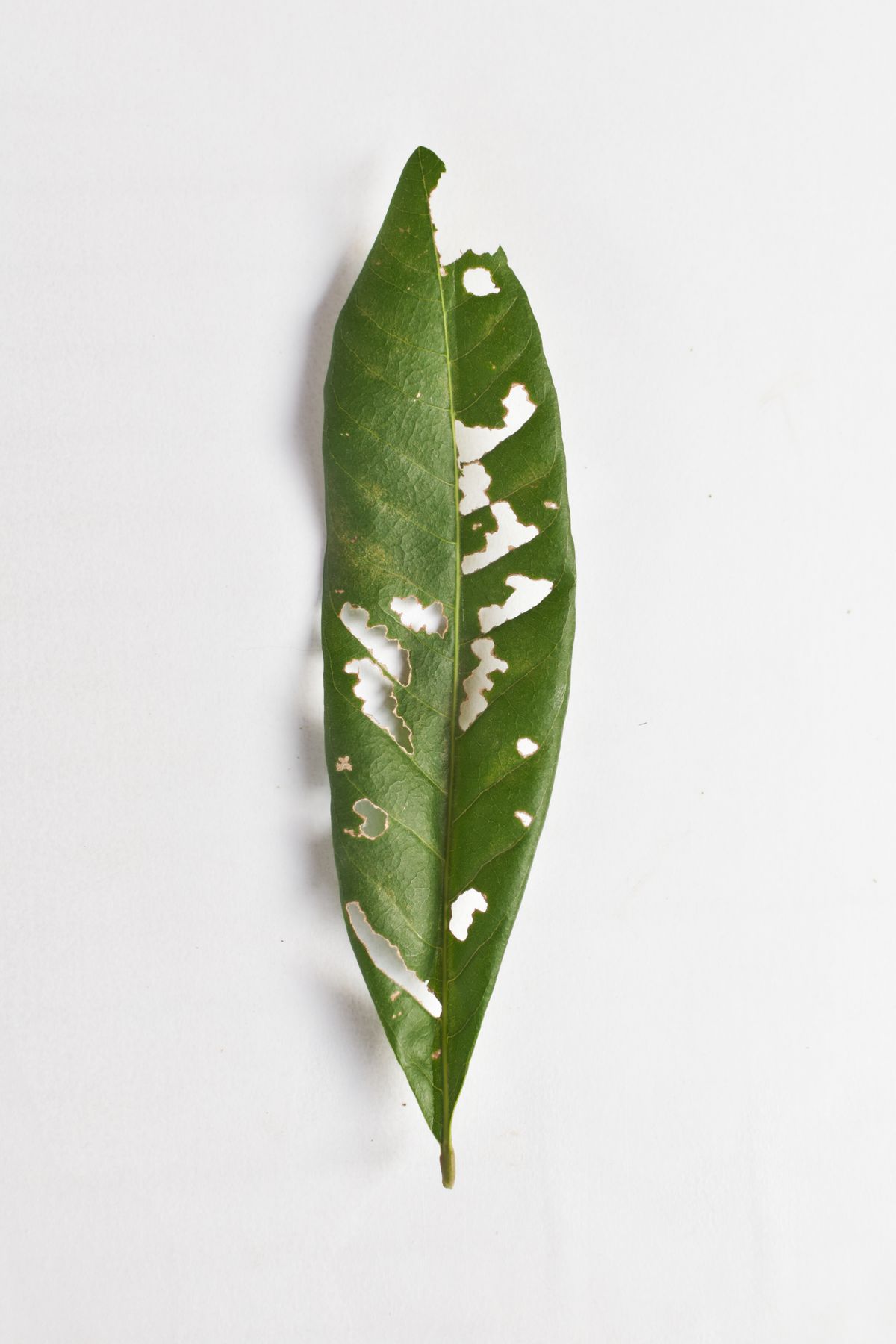
Direct hot afternoon sun is the usual trigger, especially after a plant is moved from a dim spot to a bright one too quickly. The damaged tissue will not turn green again, but it will not spread either — this is purely cosmetic once the plant is moved to filtered or indirect light. The Snake Plant Sunburn vs Fungal Spot guide covers the fuller side-by-side comparison, including a quick visual checklist and separate step-by-step fixes for each.
Tiny Pinprick-Sized Brown or Yellow Specks, Sometimes in Clusters
This pattern points to pests rather than disease or environment. Individually, the marks are small — closer to pinpricks than spots — and often appear in loose clusters rather than as a single defined lesion. Check the undersides of the leaves and the crevices near the base of the plant before assuming anything else; mealybugs, scale, and spider mites all feed by piercing the leaf surface, and the resulting stress spots are a side effect of that feeding, not an independent disease.
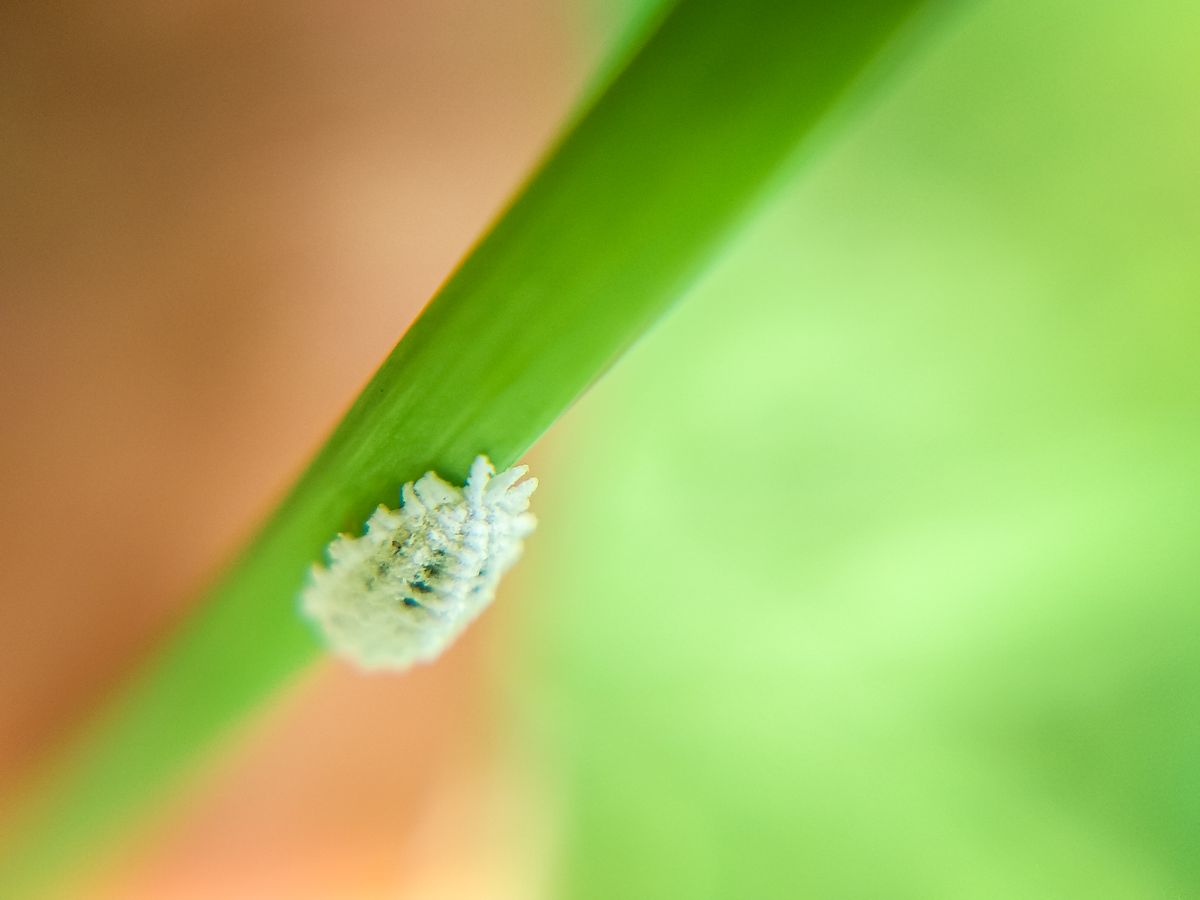
Treat with neem oil or insecticidal soap applied directly to the insects, and isolate the plant from others nearby while you do. Once the pests are gone, the existing specks will not heal, but no new ones should appear.
Crispy Brown Edges or Tips, No Distinct Spots Anywhere Else
This is a different category from the four above, because there is no discrete lesion — just a general crisping along the leaf margin, usually tip-first. Underwatering, fertilizer salt buildup, fluoridated or chlorinated tap water, low humidity, sunburn, and cold drafts can all produce this look, and they are not always easy to tell apart by appearance alone. The Snake Plant Brown Tips guide covers all seven causes in full, each with its own diagnostic clue and fix, plus how to trim the damage so the cut disappears.
What to Do Once You Have Matched the Pattern
The free fix comes first, always. If the pattern points to root rot, stop watering immediately — that alone halts the number one cause of death in this plant before you do anything else. If it points to fungal spot, stop wetting the leaves. If it points to sunburn, move the plant. None of these first steps cost anything, and most brown-spot situations resolve with the free fix alone, not a product.
For the underlying reasons this plant is so susceptible to overwatering-driven problems in the first place, the Sansevieria Plant Botanical Guide and the CAM Photosynthesis in Sansevieria guide cover the rhizome biology and water-processing chemistry that make consistent moisture the one condition this plant cannot tolerate. The Sansevieria Morphology guide covers the leaf's internal structure if you want to understand what a lesion is actually disrupting at the tissue level. And if you are dealing with root rot specifically and want the full recovery process rather than the summary above, the Sansevieria Rhizome Division guide covers how to assess and cut back damaged rhizome tissue safely. This full diagnostic applies specifically to Dracaena trifasciata, the species covered in the Sansevieria Trifasciata guide.
Look at the actual spot in front of you right now: is it soft or dry, ringed or plain, clustered in pinpricks or spread as one patch? That answer alone tells you which of the five fixes above to start with — no further guessing required.
Care FAQ
What do brown spots on a snake plant mean?
It depends entirely on the spot's texture and pattern, not just its color. Soft and mushy usually means root rot. A dark center with a yellow ring usually means fungal leaf spot. Dry, papery, and localized to sun-facing leaves usually means sunburn. Tiny pinprick specks usually mean pests. The pattern is the diagnosis.
Are brown spots on a snake plant always a sign of disease?
No. Sunburn, fertilizer burn, and chlorinated water all produce brown spots or patches without any pathogen involved. These environmental causes do not spread from leaf to leaf, unlike true fungal or bacterial leaf spot, which can. That distinction is exactly what the lesion pattern helps you identify.
Should I cut off leaves with brown spots?
Only if the spots are actively spreading, look wet or fungal, or the leaf base is soft. Isolated, dry, non-spreading spots from sunburn or old damage are cosmetic and can be left alone or trimmed for appearance. Cutting is a treatment for spreading disease, not a requirement for every brown mark.
How do I know if brown spots are fungal or just sun damage?
Fungal leaf spot typically shows a darker center ringed by a yellow halo, sometimes with small raised dots (fungal fruiting bodies) visible in the lesion, and tends to appear on leaves in more humid or crowded conditions. Sunburn produces dry, flat, tan-to-brown patches concentrated on the side of the leaf that faced direct light, with no ring pattern.
Can a snake plant recover from brown spots?
The leaf tissue that has already turned brown will not turn green again, regardless of the cause. What matters is stopping the cause from spreading to new leaves. Fungal spot stops progressing once conditions are corrected and infected leaves are removed. Sunburn and fertilizer burn stop once the plant is moved or feeding is adjusted. Root rot is the one pattern that can still kill the plant if left unaddressed.
What causes small brown dots all over a snake plant leaf?
Widespread small dots, especially with a slightly raised or bumpy feel, usually point to pest activity — mealybugs, scale, or spider mites feeding on the leaf surface — rather than a single environmental cause. Check the undersides of leaves and the base of the plant for the insects themselves before assuming it is a leaf spot disease.