
Snake Plant Flower Anatomy: Every Part Explained
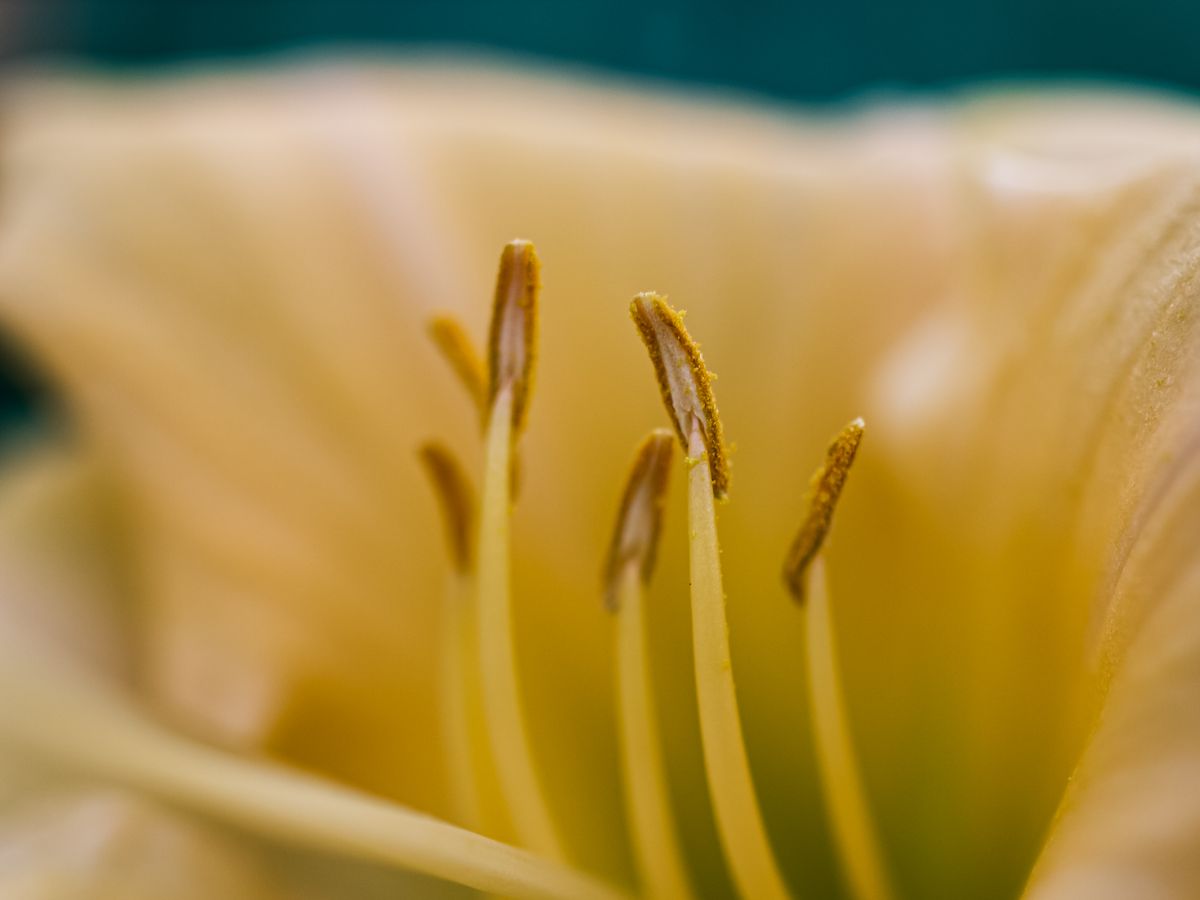
A snake plant flower has six tepals fused into a narrow tube, six stamens with pale yellow anthers, and a three-chambered ovary topped by a single stigma — the same basic floral plan as a lily, just scaled down and clustered along a tall flower stalk. Every part of it, from the tube shape to the pale color, exists for one purpose: getting pollinated by a night-flying moth.
Most articles about snake plant flowers describe what they look like from three feet away — pale, tubular, clustered on a stalk. That is fine as far as it goes, but it skips the actual structure. Here is what the flower is built from, part by part, and why each piece is shaped the way it is. (If you are here because your own plant just flowered unexpectedly, the Why Is My Snake Plant Flowering? guide covers whether that is normal — short answer: yes.)
What Is a Snake Plant Flower Actually Made Of?
Each individual flower is small — around 2.5 to 3 cm long, tip to base — and bisexual, meaning it carries both male and female reproductive parts in the same bloom. According to botanical descriptions of Dracaena trifasciata (the current accepted name for the common snake plant species) referenced by Shrubz.us's plant profile, each flower has six tepals, six stamens with pale yellow anthers, and a superior, three-chambered (trilocular) ovary with one ovule per chamber. Flowers are usually held in small groups of one to three along the length of a much taller flower stalk.
That is five structural facts in one sentence, and every one of them explains something you have probably already noticed if your plant has flowered: the tube shape, the pale color, the clustering, and eventually, the berries.
The Flower Stalk (Raceme): Why It Never Grows a Leaf Again
The tall, thin stalk a flowering snake plant sends up is technically a raceme — an elongated cluster of stalked flowers along a central stem. It is not a leaf, and it does not turn into one. It develops directly from the plant's apical meristem: the same growing point on the rhizome that, under normal conditions, would have produced the next leaf in that rosette.
Once that growing point commits to producing a flower stalk instead, it is done. It will not go back to making leaves. This is exactly why a flowered rosette on your plant stops adding new growth — not because it is dying, but because that specific growing point has already spent its purpose. The rhizome itself keeps producing new growing points elsewhere, which is why the rest of the plant carries on completely normally. If you want the fuller picture of how the rhizome and its growing points work, the Sansevieria Morphology guide covers the underground architecture in detail.
The Tepals: Why There Are No "Real" Petals
Here is a genuinely useful distinction most care guides skip. A snake plant flower does not have separate petals and sepals the way a rose does. It has six tepals — a term used specifically when a flower's outer (sepal-like) and inner (petal-like) segments look identical, so botanists just call the whole set tepals. This is standard across monocots: lilies, tulips, and daffodils all work the same way.
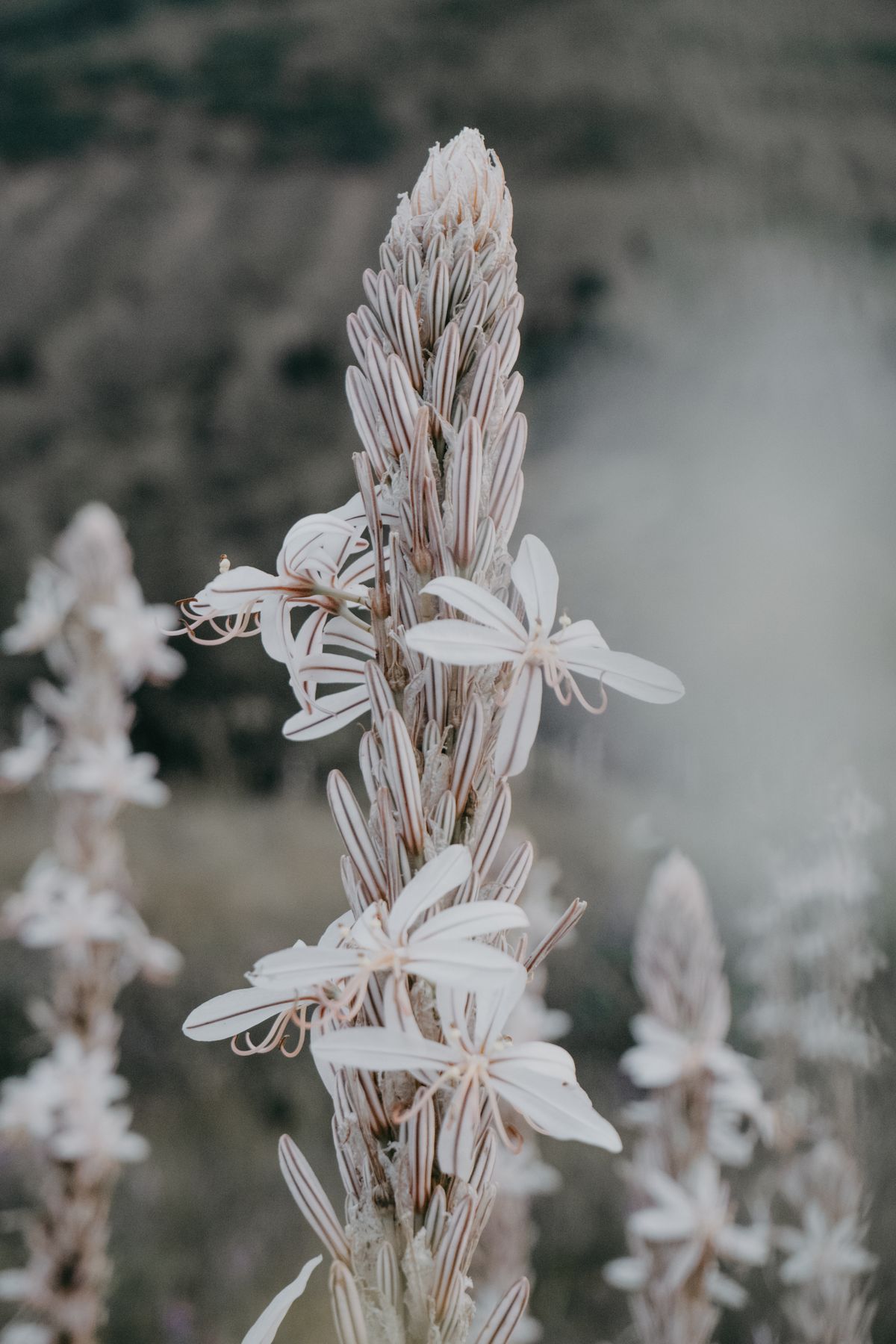
In sansevieria specifically, those six tepals are fused at the base into a narrow tube, rather than spreading open as separate segments. That fused tube is the entire reason the flower reads as "tubular" in every care guide description. It is not a vague shape description — it is a direct structural consequence of six tepals grown together at the base, flaring open only at the very tip.
The six tepals are arranged in two whorls of three — an inner ring and an outer ring, stacked rather than side by side, which is the standard monocot pattern behind lilies and daffodils too. Only at the flared tip do the individual tepal segments actually separate and become visible as distinct points; for most of the flower's length, they are fused into one continuous tube.
Why the tepals are pale instead of brightly colored is a pigment story, not an accident. Bright petal colors in most flowers come from pigments that reflect specific wavelengths bees and butterflies see well in daylight. A flower relying on a nighttime pollinator gets little benefit from investing in that pigment, since color is barely visible after dark anyway. Pale, cream, or greenish-white tepals are the low-cost option once color stops being the primary signal — scent and shape take over that job instead. The Why Do Snake Plant Flowers Open at Night? guide covers the full pollination timing behind that trade-off.
The Stamens and Pistil: The Reproductive Parts, Explained Plainly
Inside the tepal tube sit the working parts. Six stamens — each one a thin filament topped with a pale yellow anther — produce the pollen. A single pistil runs down the center: a stigma at the tip to catch pollen, a style connecting it down to the ovary, and the ovary itself sitting at the base of the flower.

The ovary is trilocular — divided into three internal chambers, each holding a single ovule. That three-part division is not random. Monocot flowers are built around multiples of three by default: three (or six, in doubled sets like this one) tepals, and a three-chambered ovary follows the same pattern. It is the same underlying floral blueprint that shows up across the wider Asparagaceae family sansevieria belongs to.
Mechanically, the six stamens sit close against the inside of the tepal tube — attached to it rather than free-standing, a trait called epipetalous — so anything pushing into the tube to reach the nectar at the base brushes past the anthers on the way in. That is the entire pollination mechanism in one sentence: a moth's proboscis enters the tube, picks up pollen from the anthers on the way down, and deposits pollen from a previous flower onto the stigma at the tip on the way in or out.
Where Does the Nectar Actually Come From?
The nectar itself is produced by a nectary — glandular tissue positioned at the base of the flower, near the ovary, inside the tube. In Asparagaceae-family flowers like this one, that nectary sits between the ovary chambers (a septal nectary), which is why the sticky nectar collects right at the bottom of the tube where a moth's proboscis has to reach to get it. That positioning is deliberate: the pollinator has to travel past every anther and the stigma to get its reward, which is what makes the whole system function as pollination rather than just a free meal.
From Flower to Berry: What Happens to the Ovary After Pollination
If a flower is successfully pollinated — by a moth outdoors, or by hand indoors — each of the three ovary chambers can develop a seed, and the ovary itself swells into a small, fleshy berry. These typically ripen to orange or red. NC State Extension's plant profile notes the flowers themselves are "small, greenish-white to cream-colored, sticky, and fragrant," which matches the pale, nectar-producing structure this whole anatomy is built around before it ever gets to the berry stage.
Indoors, this stage is rare. No moths means no reliable pollination, which means most houseplant blooms never produce a single seed, regardless of how healthy the plant is. That is a pollination-access problem, not a flaw in the flower's structure — every part described above is fully functional. It just has no pollinator to use it.
How Does This Compare to a Typical Garden Flower?
If you are picturing a rose or a tulip while reading this, the comparison is useful. A rose has clearly separate sepals (the green parts) and petals (the colored parts), plus a variable number of stamens and a compound pistil arrangement that differs by variety. A snake plant flower simplifies almost all of that: one set of six identical tepals doing the job of both sepals and petals, exactly six stamens every time, and one pistil with a fixed three-chamber ovary. It is a smaller, more standardized parts list — typical of the monocot lineage sansevieria belongs to, and part of why its flower reads as unusually orderly once you know what to look for.
That standardization is also why the flower is easy to describe accurately in a few sentences, unlike a rose, where "typical" anatomy varies by cultivar. This one does not vary much. Six tepals, six stamens, one three-chambered ovary — every time, on every rosette, on every plant.
If your snake plant has just flowered and you want to actually see any of this, a magnifying glass and good light are enough — the tepal tube, the six stamens, and the central pistil are all visible without a microscope. Look at the tip of the tube first; that is where the tepals separate and the stamens become visible. For how this flower structure fits into the plant's biology as a whole, the Sansevieria Botanical Guide ties the flowering, leaf, and rhizome anatomy together in one place.
Care FAQ
How many petals does a snake plant flower have?
Technically none — it has six tepals instead. Tepals are petal-like segments used when a flower's sepals and petals look identical, which is typical of monocots like sansevieria, lilies, and tulips. The six tepals are fused at the base into a short tube, which is what gives the flower its narrow, tubular shape.
Does a snake plant flower have both male and female parts?
Yes. Snake plant flowers are bisexual (perfect flowers) — each individual bloom contains six stamens (the male, pollen-producing parts) and one pistil with a three-chambered ovary (the female, seed-producing part), all in the same flower.
Why is a snake plant flower shaped like a tube?
Because its six tepals are fused together at the base into a narrow tube, rather than staying as separate segments. That tube shape is also functional: it matches the long, thin feeding tongue of the moths the flower evolved to attract, restricting easy access to insects with a similarly long proboscis.
What does the ovary of a snake plant flower turn into?
After pollination, the three-chambered ovary develops into a small, fleshy berry, usually orange to red at maturity. Each of the three chambers can hold one seed, though indoor plants rarely produce viable seed since there are no moths present to pollinate the flowers.
How big is a snake plant flower?
Each individual flower is small, typically around 2.5 to 3 cm long including the fused tepal tube — roughly the length of a thumbnail. They are usually held in small clusters of 1 to 3 flowers at a time along the length of a much taller flower stalk, which can reach 1 to 3 feet.
Is the snake plant flower stalk part of a leaf?
No. The flower stalk (raceme) develops from the plant's apical meristem — the same growing point that would otherwise produce a new leaf. Once that growing point commits to flowering, it stops producing leaves permanently, which is why a flowered shoot never grows another leaf, even though the rest of the plant keeps growing normally.