
Why Is My Snake Plant Flowering?
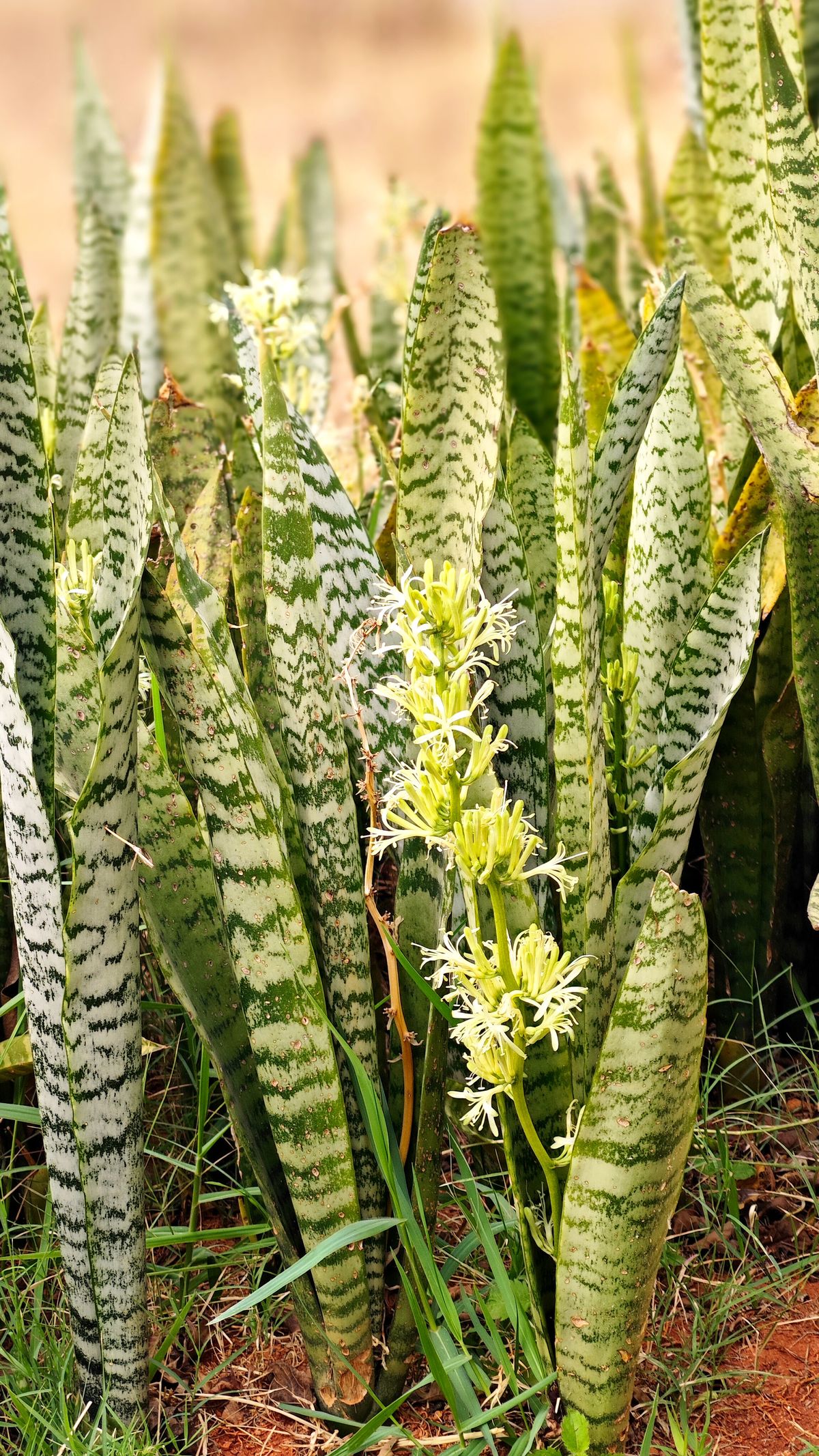
Your snake plant is flowering because it has reached maturity, it is likely a little root-bound, and it has been getting enough light — not because something is wrong. A tall, thin stalk topped with pale, star-shaped flowers is a positive sign in a plant that is at least two to three years old. Snake plants do not die after flowering, and the bloom cannot be reliably forced or scheduled. Here is what is actually driving it.
If you just found a flower spike on your snake plant and your first reaction was mild panic — that is normal, and also unnecessary. I get this question more than almost any other, usually with a photo attached and the word "help" in the subject line. The short answer is: your plant is fine. It is probably doing better than you think.
Why Do Snake Plants Flower Indoors At All?
Sansevieria (Dracaena trifasciata) flowers for the same reason most plants do: reproduction. In the wild, in tropical West Africa, a mature plant sends up a flower stalk once conditions are right — usually as the wet season shifts toward drier weather. Indoors, that same biology is still running, it just rarely gets triggered.
Three conditions tend to line up right before a snake plant blooms: the plant is mature, it is mildly root-bound, and it is getting decent light. None of these is a single "switch." It is closer to a threshold the plant crosses quietly, over months, until one day a spike appears at the base that was not there last week.
Most articles will tell you flowering is "triggered by stress." That is technically true but also vague enough to be useless. The stress in question is very specific — crowded roots and a light level the plant has adapted to — not neglect, not damage, and not a plant on its last leg. A snake plant that is actually struggling (root rot, severe underwatering, cold damage) puts its energy into survival, not into building a flower stalk. Flowering takes resources. A plant only spends resources on reproduction when it can afford to.
Is My Snake Plant Being Root-Bound the Reason?
Root-bound conditions are the trigger cited most often, and for good reason. A snake plant that has filled its pot with rhizome and roots is under a small, constant physical pressure — and that pressure appears to nudge the plant toward reproductive growth rather than more leaf growth.
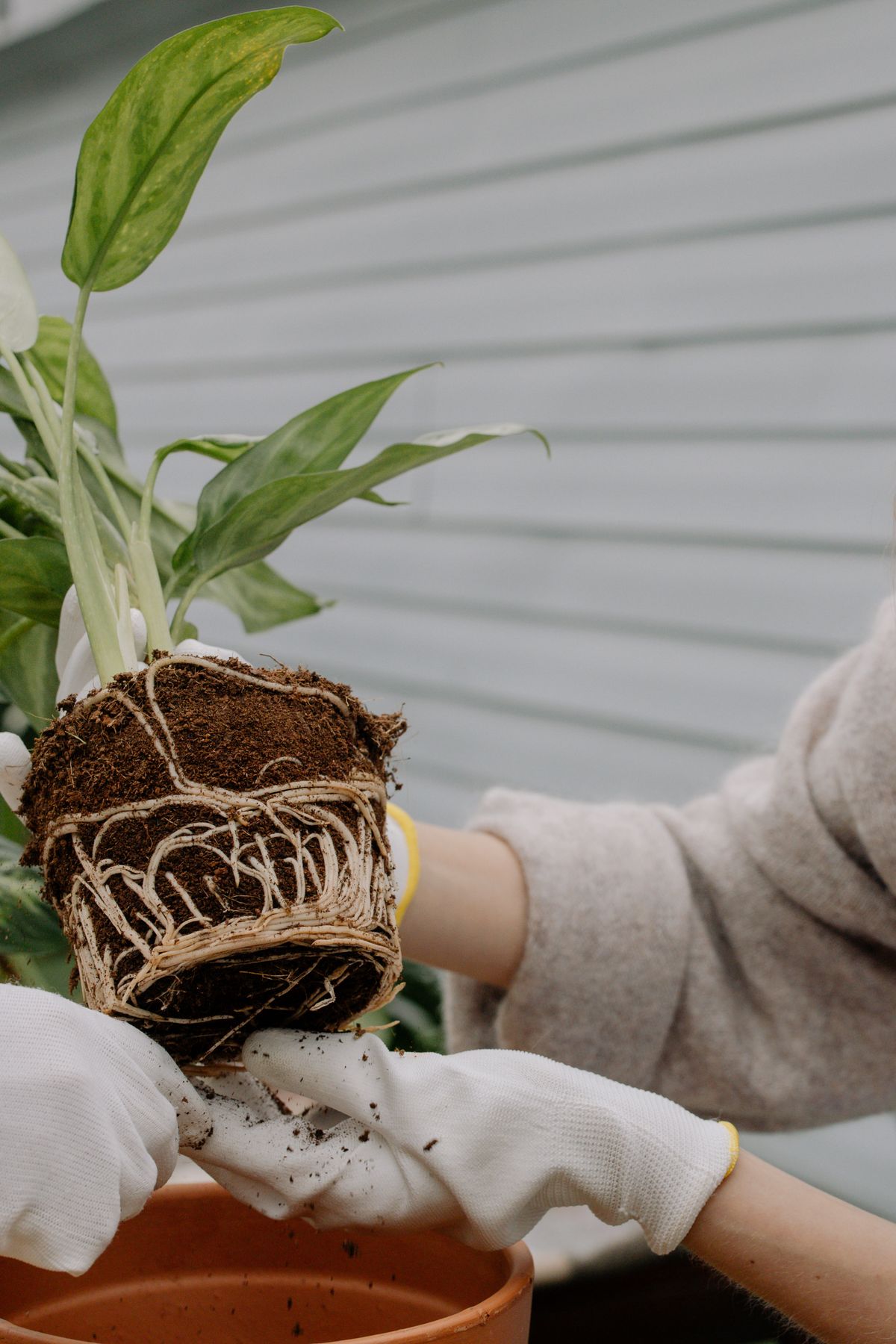
This lines up with everything else true about this plant: sansevieria actively prefers being slightly root-bound. I recommend repotting only every 2-3 years, and only once roots are visibly escaping the drainage holes or cracking the pot. If your plant has been in the same pot for three-plus years and is now flowering, the root-bound theory is probably correct in your case.
(One honest caveat: plenty of snake plants stay root-bound for a decade and never flower. Root-bound is a common precondition, not a guarantee.)
Does Light Have Anything to Do With It?
Yes — light is the second major factor, and it is the one within your control. Snake plants tolerate low light, but they do not flower in it. Blooming plants are almost always getting several hours of bright indirect light daily, and many have at least some direct morning or evening sun.
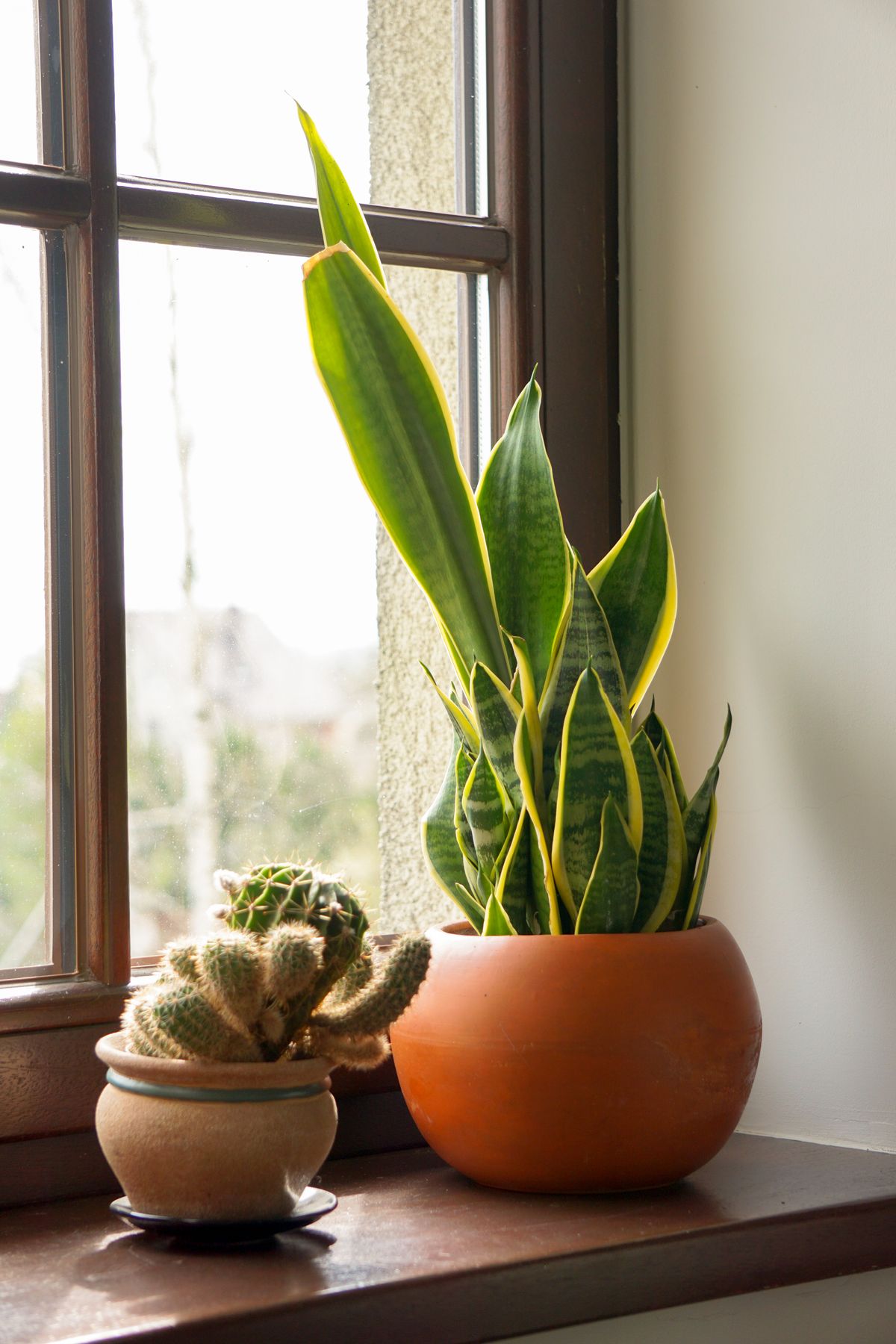
If your plant just moved to a brighter spot — a new windowsill, a summer spent on a porch, a shift from a dim hallway to a south-facing room — and started flowering a few weeks later, the light change is very likely the reason. This is also why flowering shows up more in spring and summer: longer days mean more cumulative light, even for a plant that never left its usual spot.
How Old Does a Snake Plant Need to Be to Flower?
At minimum, two to three years. Most flowering specimens are considerably older than that — plants that have been growing undisturbed for four, six, even ten-plus years. Snake plants are slow growers by design (a side effect of their CAM photosynthesis, which trades speed for water efficiency), and flowering appears to require the plant to have built up a mature rhizome system first.
This is the part that makes flowering feel random: a plant can sit in the exact same spot, in the exact same pot, for years — and then bloom the one summer everything happens to line up. Maturity is the baseline requirement. Root-bound conditions and good light are what seem to tip a mature plant over the edge into actually producing a spike.
What Do Snake Plant Flowers Actually Look Like?
The flower stalk emerges from the base of the plant, among the leaves, and can grow one to three feet tall. Along it, clusters of small, tubular, star-shaped flowers open in greenish-white to cream. According to NC State Extension's plant profile for Dracaena trifasciata, the flowers are "small, greenish-white to cream-colored, sticky, and fragrant" — and that stickiness is real. The flowers produce a clear, faintly sweet nectar that drips slightly, which surprises people who assume something is wrong with the plant. It is not; it is just nectar, doing what nectar does.
The scent is the more noticeable feature. It reads as a sweet mix of vanilla, honey, and citrus, and it is much stronger in the evening than during the day — which is not a coincidence, and brings us to the part of this that most care guides skip entirely. For the full structural breakdown — tepals, stamens, ovary, and what each part is actually doing — the Snake Plant Flower Anatomy guide covers every piece.
Why Do the Flowers Open (and Smell Strongest) at Night?
This is the detail that turns "my plant is flowering, weird" into something genuinely interesting. Snake plant flowers are adapted for pollination by moths, not bees or daytime insects. Pale, easy-to-see-in-dim-light petals, a fragrance that intensifies after dark, and nectar production timed to overnight hours are all classic traits of a moth-pollinated flower.
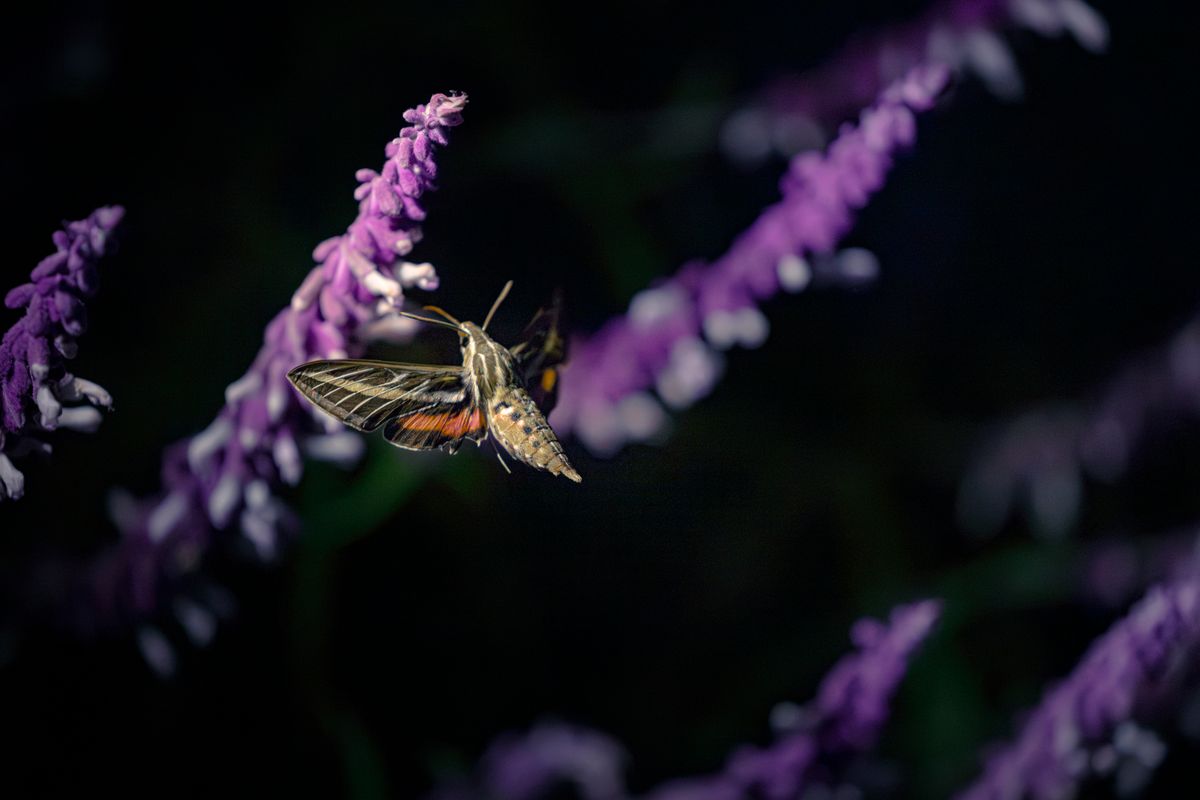
In its native range, this timing lines up with the same nighttime activity pattern behind the plant's CAM photosynthesis — sansevieria already runs its stomata on a nocturnal schedule to conserve water, and its reproductive biology follows the same clock. There are no pollinating moths in most living rooms, so an indoor bloom will never set seed. That does not make the flower any less real; it just means this particular adaptation has nothing left to do indoors except look good and smell better after sunset.
Is Flowering a Bad Sign for My Plant?
No — and I want to be direct about this, because the panic around flowering is almost entirely unnecessary. A flower spike is one of the few unambiguous good signs this plant gives you. It means the plant is mature, reasonably healthy, and has enough stored energy in its rhizome to spend on reproduction instead of just survival.
The one thing worth double-checking: if the flowering coincides with soft, yellowing, or collapsing leaves elsewhere on the plant, those are separate symptoms — almost certainly overwatering, not the flower stalk. Treat them independently. A healthy plant that happens to be flowering and an unhealthy plant that happens to also be flowering can look similar from a distance, so check the soil and the base of the leaves before assuming the flower explains everything.
What Should You Do After It Blooms?
Once the flowers have fully faded — typically after two to four weeks — cut the spent stalk down at its base with clean scissors. The Royal Horticultural Society's sansevieria growing guide confirms this directly: snip the stalk once the blooms are finished. There is no reason to leave it in place, and removing it lets the plant put energy back into leaf production instead of maintaining a dying flower stalk.
Do not change your watering or feeding routine around the bloom. Keep to the usual 2-6 week watering interval in spring and summer, and skip fertiliser until the next scheduled feeding in spring or midsummer. The rosette that flowered will stop producing new leaves of its own — that is normal, not a decline — but the rest of the plant, including the rhizome, keeps growing exactly as before. The Why Is My Snake Plant Not Growing New Leaves? guide covers this specific cause in full, alongside the other reasons a rosette can stall.
A reader once told me her sansevieria had gone over a decade without a single flower, then bloomed one unusually warm summer after a stretch of slightly inconsistent watering. It never flowered again after that. That is a completely typical outcome. Enjoy it while it lasts and do not expect an encore on any particular schedule.
Which Sansevieria Varieties Are Most Likely to Flower?
Any healthy, mature D. trifasciata can flower, but some varieties report blooming more readily than others — most notably the standard green species and 'Laurentii', the most widely sold cultivar. Compact and dwarf forms like 'Hahnii' flower far less often, likely because their smaller rhizome system takes longer to reach the same maturity threshold. For a full rundown of how these cultivars differ in growth habit and care, the Types of Sansevieria guide covers the main varieties in detail, and the Sansevieria Trifasciata guide covers the species profile this flower spike belongs to.
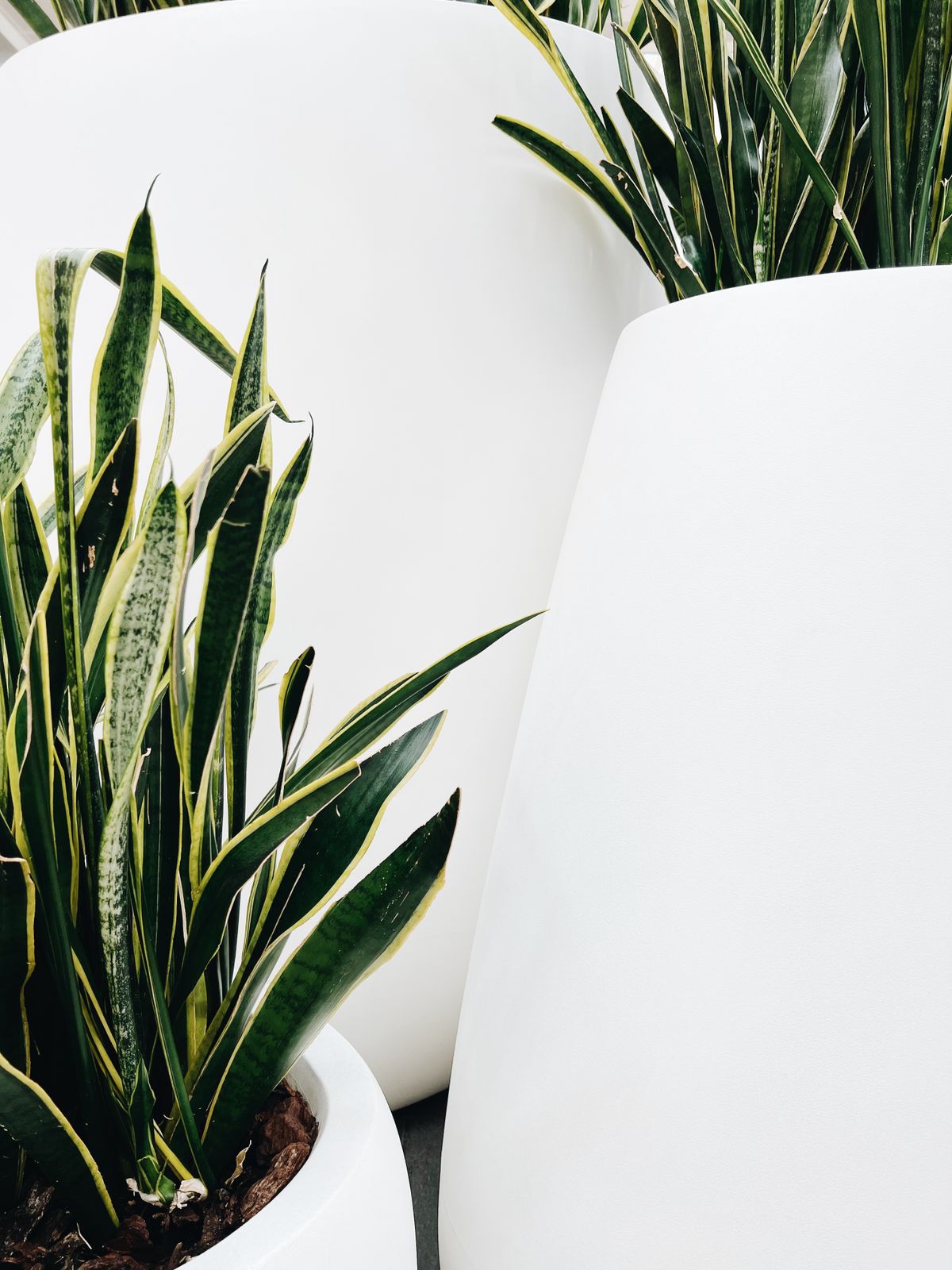
There is no reliable technique to force a bloom on schedule, whatever some guides claim. You can create the conditions that make flowering more likely — mature plant, slightly root-bound, bright light — but the timing itself is not something you control. For the native climate cues (seasonal light and temperature shifts) behind why flowering is more common in the wild than indoors, the Sansevieria Habitat guide covers the wet-dry seasonal cycle in full, and the CAM Photosynthesis guide explains the nocturnal biology that also shapes when these flowers open. For the full structural picture of how sansevieria is built, the Sansevieria Botanical Guide ties the leaf, rhizome, and reproductive biology together.
If your snake plant is flowering right now: leave it alone, keep watering on the usual schedule, and enjoy the smell after dark. Once the blooms fade in a few weeks, snip the stalk at its base and let the plant get back to making leaves.
Care FAQ
Why is my snake plant flowering all of a sudden?
Almost always a combination of three things arriving at once: the plant has reached flowering maturity (2-3 years old at minimum), it is mildly root-bound, and it is getting more light than usual. None of these are problems. The flower spike is the plant responding to conditions it has quietly been building toward for years.
Is it bad if my snake plant flowers?
No. Flowering is not a sign of disease, stress damage, or a dying plant. It is a positive sign of maturity — snake plants only flower once they are established and reasonably healthy. The one exception is a plant that is also showing soft, mushy leaves or a collapsing base; in that case the flowering is unrelated and the leaf symptoms need separate attention.
Do snake plant flowers mean the plant is dying?
No, and this is one of the most common misconceptions about sansevieria. Unlike agave, which flowers once and dies, snake plants keep growing indefinitely after flowering. Only the individual rosette that produced the flower stalk stops making new leaves; the rest of the plant, including the rhizome, continues as normal.
What triggers a snake plant to bloom?
The main triggers are plant maturity (at least 2-3 years old), being slightly root-bound, and receiving several hours of bright indirect or direct light daily. Mild environmental stress, such as a stretch of drier-than-usual soil or a change in season, often coincides with flowering, but none of these factors reliably produces a flower on demand.
How often do snake plants flower indoors?
Rarely, and unpredictably. Many owners never see a single flower in the plant's entire lifetime with them. Others get one bloom and then nothing again for another decade. Indoor conditions lack the seasonal light and temperature shifts that trigger more regular flowering in the wild, which is why indoor blooms stay a rare event rather than an annual one.
Should I cut off the flower stalk after it blooms?
Yes, once the flowers have fully faded. The Royal Horticultural Society recommends snipping the spent stalk down at its base once the blooms are finished. There is no benefit to leaving it in place, and removing it lets the plant redirect energy back into leaf growth instead of maintaining a dying stalk.
What do snake plant flowers smell like?
Sweet and strong, often described as a mix of vanilla, honey, and citrus. The scent is faint or absent during the day and becomes noticeably stronger in the evening and overnight, since the flowers are adapted to attract night-flying moths rather than daytime pollinators.