
Why Do Snake Plant Flowers Produce Sticky Nectar?

Snake plant flower nectar is sticky because it is concentrated, sucrose-heavy sugar water — produced deliberately to reward the specific pollinator this flower evolved for. If your blooming snake plant is dripping clear, faintly sweet droplets onto its leaves or the windowsill, that is normal. It means the flower is functioning exactly as designed. Nothing is wrong with your plant.
If you noticed sticky drops on or under a flowering snake plant and immediately worried something was leaking, sick, or infested — that is a reasonable first reaction, and also not what's happening. This is nectar. Here is why it shows up, and what (if anything) you should actually do about it.
Is Sticky Nectar on My Snake Plant Flower Normal?
Yes, entirely. Any snake plant flower that is actively blooming is capable of producing this nectar, and most do. It shows up as small, clear, glistening droplets on or near the flowers — sometimes running down the flower stalk, occasionally dripping onto the leaves below.
Nine times out of ten, the concern people bring to me about "sticky stuff" on a flowering snake plant turns out to be exactly this: nectar, working as intended. It is not sap from a wound, not honeydew from an insect infestation, and not a symptom of overwatering. If your plant is flowering and the sticky substance is confined to the flowers and stalk, this is your answer.
What Is the Sticky Substance, Exactly?
It is nectar — a sugar-rich fluid produced by glandular tissue called a nectary, located near the base of the flower's fused tepal tube. Every snake plant flower has one. The full anatomical picture of the tepal tube, stamens, and where the nectary actually sits is covered in the Snake Plant Flower Anatomy guide if you want the structural detail.
Functionally, nectar exists for one reason: to reward whatever pollinator visits the flower. It is not a byproduct or a leak. The plant is actively producing it, on a schedule, as bait.
Why Is Snake Plant Nectar So Sugary and Sticky?
Because of what it is trying to attract. Research on this flower's nectar chemistry found sucrose as the dominant sugar, according to observations summarized by the Lemon Bay Conservancy's analysis of snake plant flowers — a composition typically associated with moth-pollinated flowers. Sucrose-heavy nectar is denser and more viscous than a simple glucose solution, which is exactly the stickiness you are seeing.
That concentration is not accidental. The flower is timed to open and produce nectar overnight, matching the activity window of the long-tongued, night-flying moths it evolved to attract. A concentrated sugar reward makes the energy cost of a nighttime flight worth it for the moth. Diluted nectar would not. The full explanation of the nighttime timing behind all of this — why the flower opens after dark in the first place — is in the Why Do Snake Plant Flowers Open at Night? guide.
Will the Nectar Attract Ants or Pests Indoors?
Possibly, and this is the one part of the "sticky nectar" question worth actually planning for. Ants are opportunistic about any exposed sugar source, and dripped nectar on a windowsill, floor, or nearby surface qualifies. If your home already has an ant presence nearby, a flowering snake plant can become a temporary attraction.
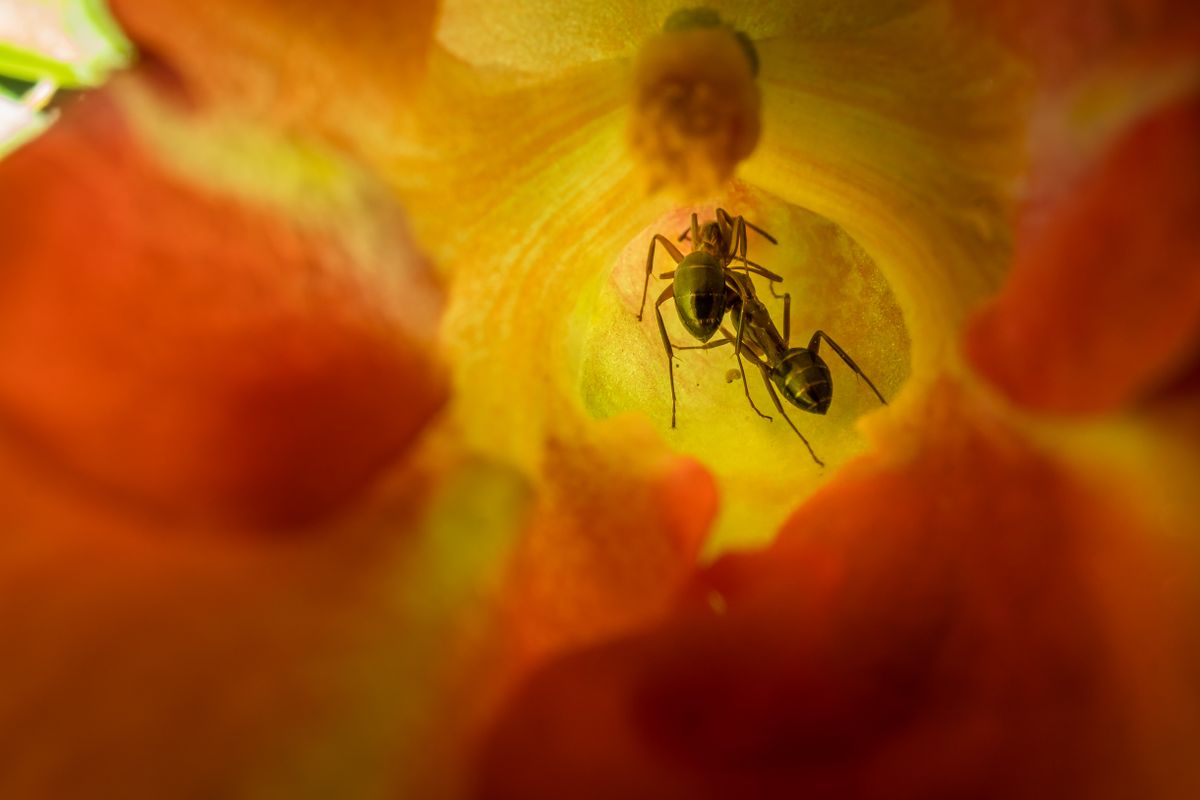
This is not a sign anything is wrong with your plant. It is a straightforward consequence of having a sugar source sitting out. The fix is simple and free: wipe up drips as you notice them, rather than letting them accumulate on the windowsill for weeks. That alone prevents the vast majority of ant-related issues during a bloom.
Does the Nectar Damage Leaves or Furniture?
Not in any lasting way. Nectar sitting on a leaf surface will not burn or discolor the leaf. Left for a long time in humid conditions, a sugary residue can occasionally attract a bit of sooty mold on the surface — cosmetic, not harmful to the plant — but this is uncommon indoors and easy to prevent with a quick wipe.
On furniture or windowsills, the concern is stickiness and dust accumulation rather than any kind of staining or damage. Treat it the same way you would treat a spilled sugary drink: clean, not urgent.
How Do You Clean Up Dripped Nectar?
A damp cloth is all this takes. Warm water dissolves the sugar easily; nothing specialized is needed. Wipe the leaves gently, working from the base of the leaf toward the tip, and do the same for any stalk or nearby surface with visible drops.
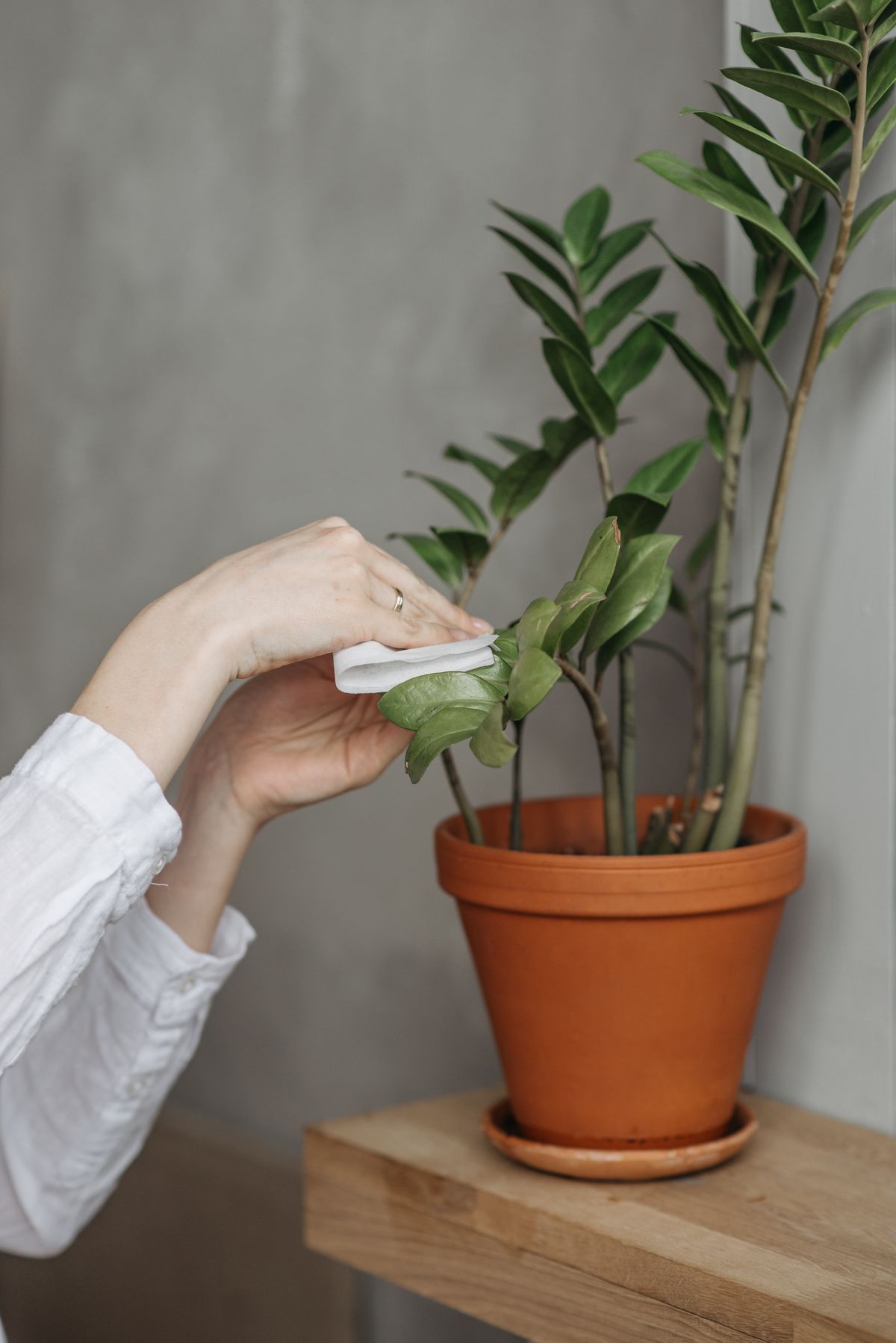
Do this every few days for the duration of the bloom rather than waiting until the end. A little regular wiping is far less effort than dealing with a build-up of dried, tacky residue after several weeks.
How Long Does the Nectar Production Actually Last?
For as long as the bloom itself is active — typically 2 to 4 weeks, matching the flowering window covered in the Why Is My Snake Plant Flowering? guide. Output is heaviest overnight and tapers during the day, then declines along with the rest of the flowers as the bloom finishes. Once the flowers have fully faded and you cut the spent stalk at its base — the Royal Horticultural Society's sansevieria growing guide confirms this is the right move once blooms are done — the nectar stops along with everything else. There is nothing left to clean up after that point.
If your snake plant is dripping nectar right now, the honest advice is: do nothing urgent. Wipe up the visible drops with a damp cloth every few days, keep an eye out for ants if you live somewhere they are already an issue, and let the bloom finish on its own schedule. For how this fits into the plant's biology more broadly, the Sansevieria Botanical Guide and the Sansevieria Trifasciata guide cover the species this flower belongs to in full.
Care FAQ
Is sticky nectar on my snake plant flower a problem?
No. Sticky nectar is a completely normal part of flowering, produced by every healthy bloom. It is not a sign of pest damage, disease, or overwatering. The only thing worth doing is wiping up drips that land on leaves or furniture, purely for tidiness.
Why is snake plant nectar so sticky and sweet?
The nectar is sugar-rich, dominated by sucrose, which makes it dense and slightly viscous compared to plain water. That composition is tuned to reward a specific pollinator: the long-tongued, night-flying moths the flower evolved to attract, which need a concentrated sugar source to justify the energy spent visiting.
Will snake plant nectar attract ants indoors?
It can, if the plant is near an entry point ants already use. Ants are drawn to any exposed sugar source, and dripped nectar on a windowsill or floor qualifies. Wiping up drips promptly and keeping the area around the pot clean is enough to prevent this in most homes.
Does nectar dripping onto leaves damage the plant?
No, but it is worth wiping off. Nectar sitting on a leaf surface can attract dust, encourage a bit of sooty mold growth over time in humid conditions, or simply leave a faint sticky residue. None of this harms the plant directly — it is a cosmetic and cleanliness issue, not a health one.
How long does a snake plant flower produce nectar?
For as long as the bloom is active, which is typically 2 to 4 weeks. Nectar output is heaviest overnight, matching the flower's nocturnal fragrance cycle, and tapers off along with the rest of the bloom as the flowers fade.
Is snake plant nectar toxic to touch?
There is no specific evidence that the nectar itself carries meaningful toxicity from casual contact — it is mostly sugar water. The plant's saponins, the compound responsible for its mild toxicity if eaten, are present throughout the plant, so the same general caution around ingestion by pets or small children applies to the whole flower, not the nectar specifically.